| Manufacturer | TianLi |
| Model Number | TL-K989GE |
| MSRP | ? |
| Countries Released | China |
| Release Year | 1998 |
| Discontinued | ? |
Background

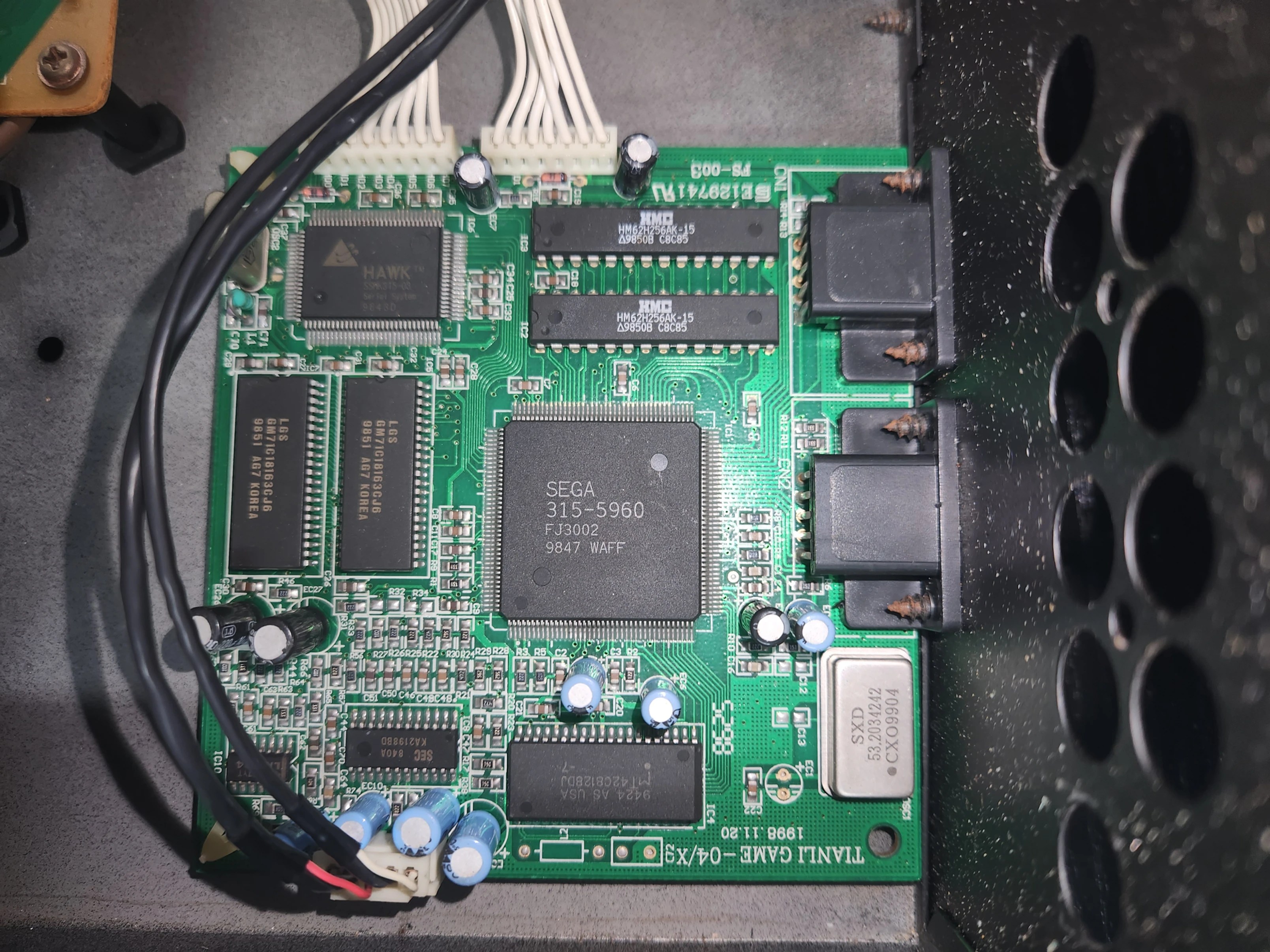
In 1998, Sega and TianLi partnered together to bring Sega hardware to the Chinese population. They decided that the best way to do this would be incorporating MegaDrive hardware into TianLi’s VCD, and later DVD, players. Instead of having a standard cartridge slot, these players would run games off CDs, called “Game VCDs,” which could hold over to 60 games per disk. Many companies would release their own Game VCDs which had various assortments of games on them.
Features
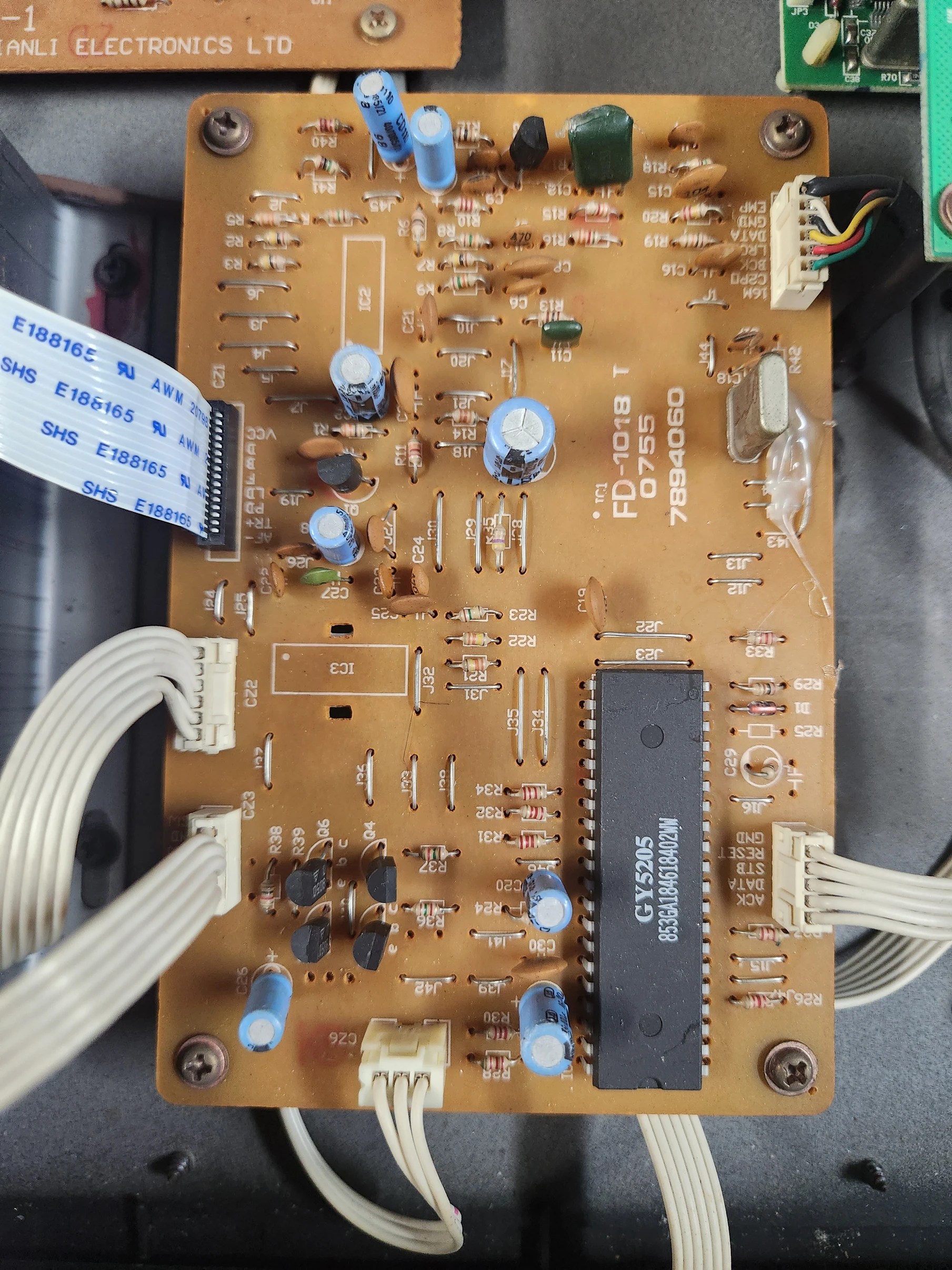
The TianLi TL-K989GE has relatively standard features compared to TianLi’s other Sega licensed players. It has support for Music CDs, Video CDs, and Game VCDs. The unit also has dual microphone inputs, as well as volume and echo dials, which are most likely used for karaoke. When a Game VCD is inserted, a menu will show with numbered entries for each game included on the disk. Games are chosen by pressing the numbered buttons on the front of the player.
Common Failures / Issues
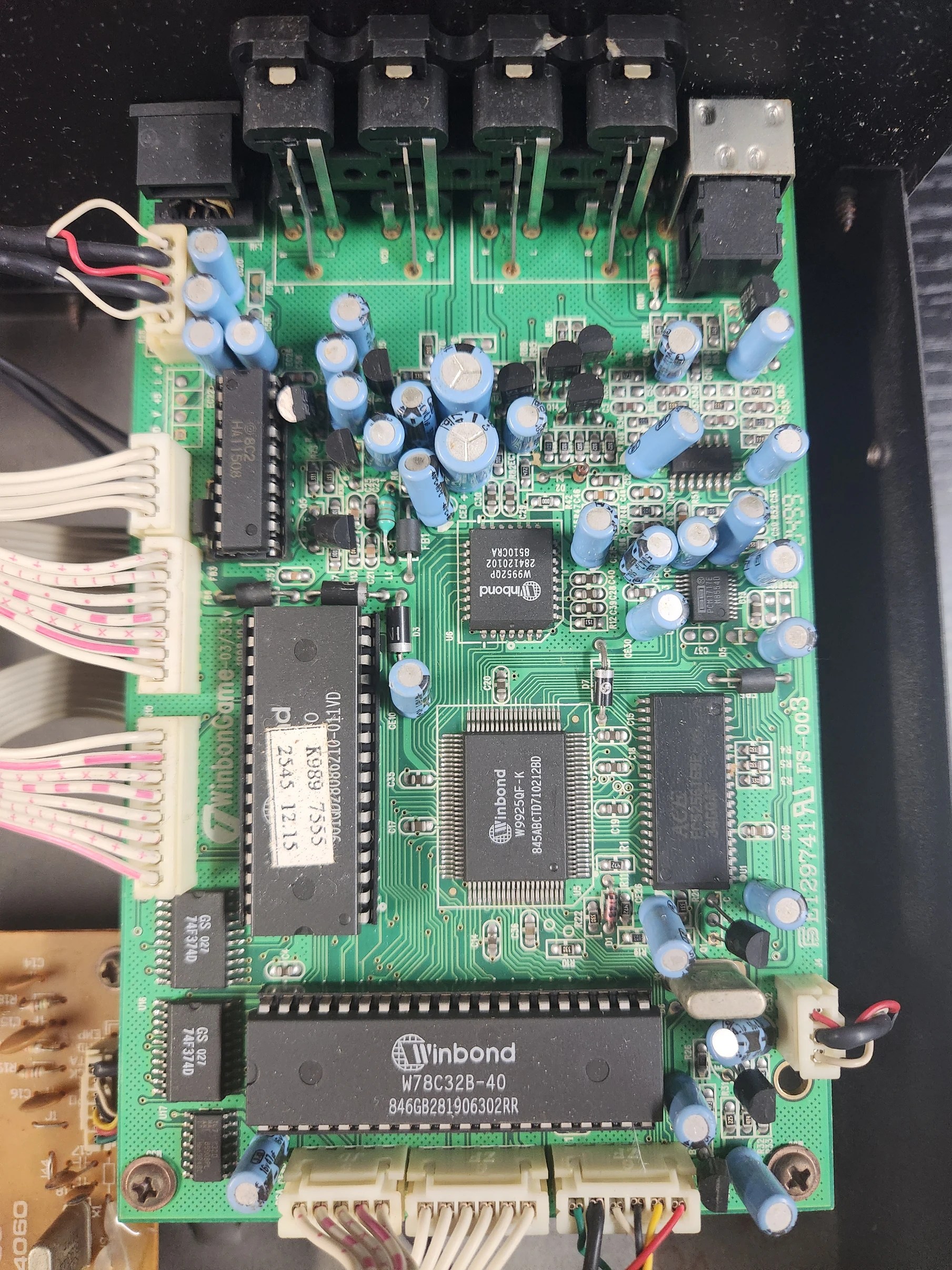
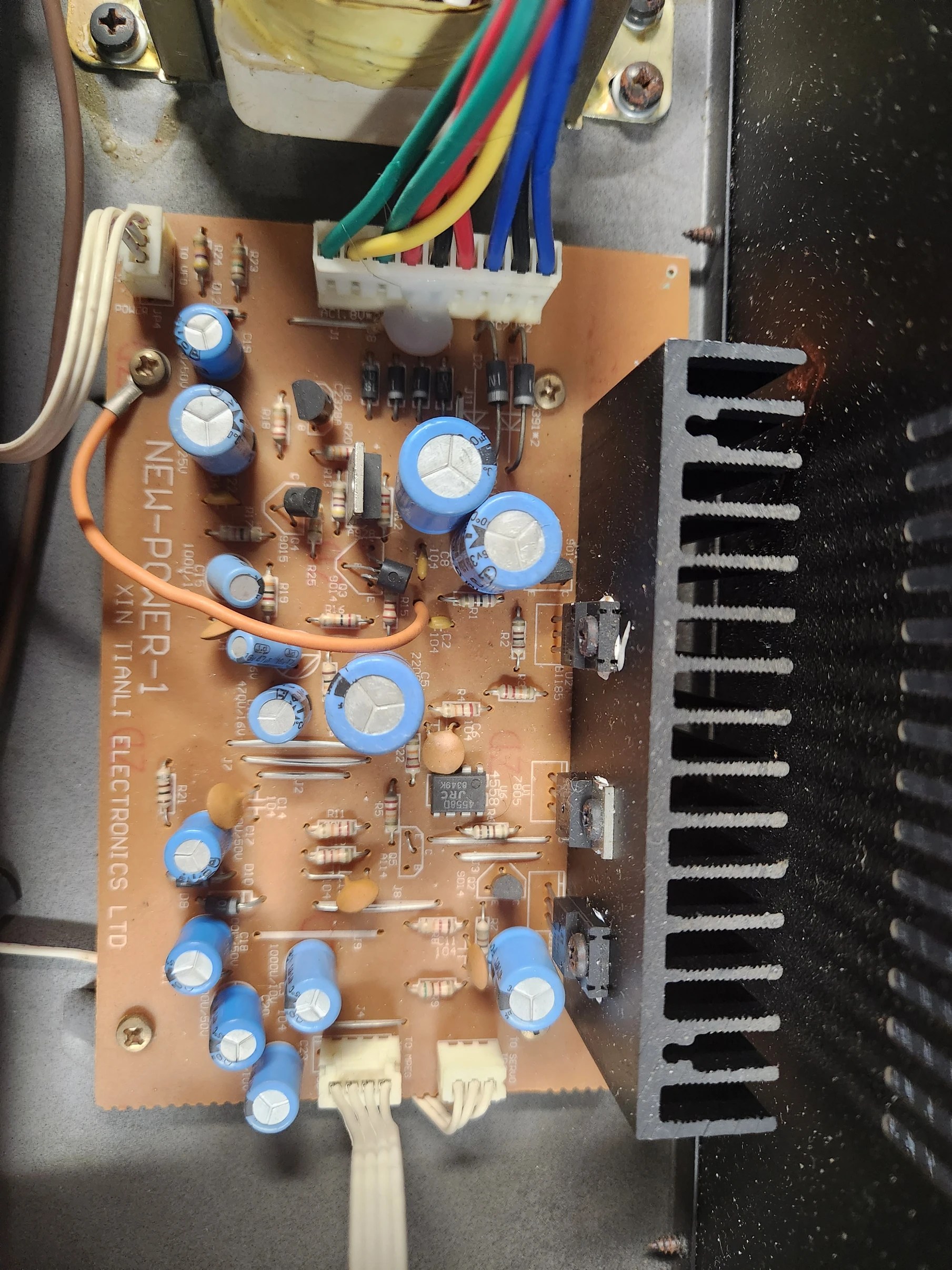
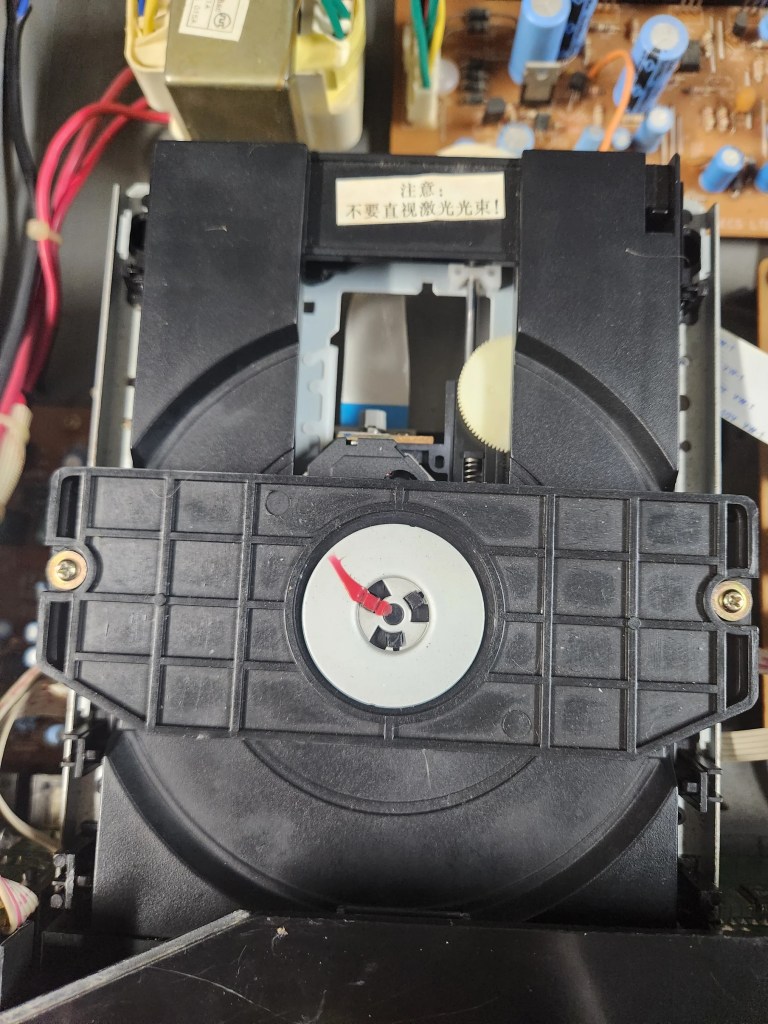
Most of the Game VCD players that have surfaced have weak or dead lasers. This particular unit uses a common KSS-213C which can be purchased online for relatively cheap on sites like eBay or AliExpress. Aside from the laser, these units are also starting to get old so expect them to need a recap sooner than later.
Modification / Repair
A laser replacement on a TL-K989GE is pretty straightforward. Once you’ve acquired a brand new KSS-213C laser, make sure to remove the antistatic solder blob located on the underside of the ribbon cable socket near the edge of the board. The top shell of the unit is held on with 7 screws; 2 on either side, and 3 along the back. after taking the top shell off, you may notice the drive assembly is very similar in design to a model 1 Sega CD. If you have taken one of those apart before, it should be very straightforward but if you haven’t, the video linked in this post shows the process on this specific unit.